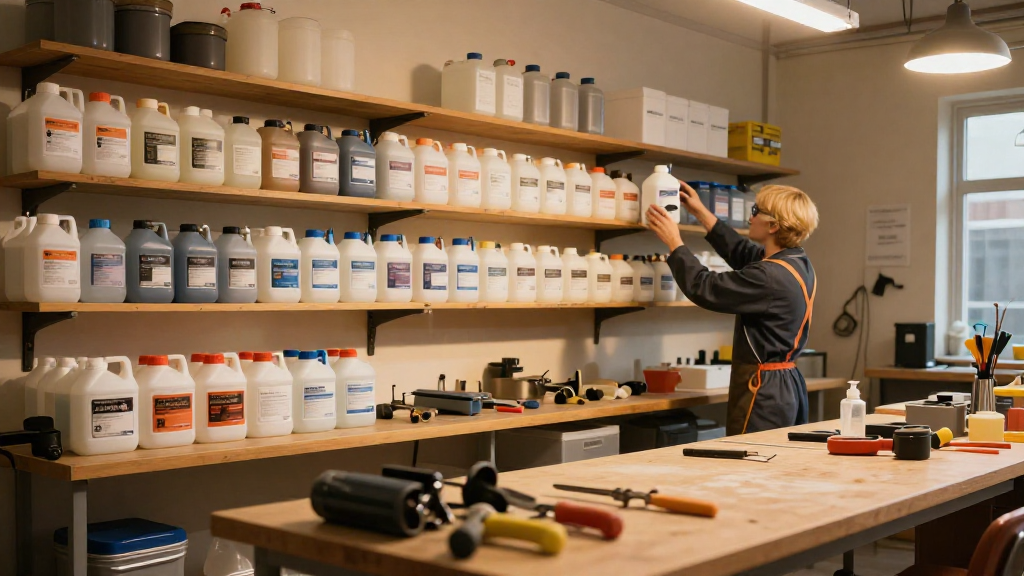
If you’re wondering how to store chemicals safely in your workshop, you’re not alone. Many workshop enthusiasts and professionals often overlook the importance of chemical storage, which can lead to hazardous situations. In this article, we will guide you through effective strategies for safely storing finishing chemicals in your workshop, ensuring a safer working environment.
Why is Safe Chemical Storage Important?
Proper storage of chemicals is crucial for several reasons:
-
Health Risks: Improper storage can lead to chemical spills or reactions, exposing you and others to harmful substances.
-
Fire Safety: Some finishing chemicals are flammable. Without safe storage practices, the risk of fire increases significantly.
-
Environmental Concerns: Chemicals can contaminate the environment if not stored correctly.
-
Legal Compliance: Many regions have regulations governing the storage of hazardous materials; failing to comply can result in legal repercussions.
Understanding how to store chemicals safely in your workshop is fundamental for both your safety and that of your workspace.
What Should You Consider When Storing Chemicals?
When figuring out how to store chemicals safely in your workshop, several key factors should guide your approach:
1. Know Your Chemicals
Each type of finishing chemical has unique properties:
- Solvents (e.g., acetone, thinner)
- Adhesives (e.g., epoxy, super glue)
- Paints (e.g., oil-based, water-based)
- Finishing products (e.g., varnish, stains)
Tip: Always read and follow the Safety Data Sheets (SDS) provided with these chemicals. They offer essential information about safe handling and storage.
2. Use Appropriate Storage Containers
Proper containers are critical for safe storage:
-
Sealability: Ensure containers are tightly sealed to prevent vapors from escaping.
-
Material: Use containers made from compatible materials (e.g., glass, plastic) to avoid reactions.
-
Labeling: Clearly label all containers with their contents and any relevant hazard warnings.
3. Store in a Designated Area
Create a specific area in your workshop for chemical storage:
-
Ventilation: Choose a well-ventilated place that reduces the accumulation of fumes.
-
Temperature Control: Store them in a temperature-stable environment, away from heat sources or direct sunlight.
-
Accessibility: Ensure that chemicals are easily accessible but out of reach of children and pets.
4. Keep Chemicals Organised
Organisational habits can vastly improve safety:
-
Group Similar Chemicals: Store similar types of chemicals together, i.e., all solvents in one space.
-
Use Shelving Units: Shelves or cabinets specifically designed for chemical storage can help maintain order.
-
Check Shelf Life: Regularly review the storage area and dispose of expired chemicals following local regulations.
How Can You Ensure Chemicals Stay Safe?
Once you’ve established a proper storage system, consider supplemental practices to maintain safety:
1. Use Secondary Containment
Secondary containment provides an additional safety measure:
-
Trays: Place chemical containers in shallow trays to catch any leaks or spills.
-
Spill Kits: Keep spill kits nearby to quickly address any accidents involving chemicals.
2. Maintain a Clean Workspace
A clean workshop promotes a safe environment:
-
Regular Cleaning: Regularly clean the storage area to avoid the accumulation of spills or dust.
-
Avoid Clutter: Avoid stacking items haphazardly, which can lead to accidents.
3. Train Staff and Users
Education is a powerful tool:
-
Provide Training: Ensure everyone handling chemicals understands the storage protocols.
-
Emergency Response: Conduct training on how to respond to chemical spills and accidents.
4. Conduct Regular Inspections
Make regular checks part of your routine:
-
Assess Storage Conditions: Regularly inspect storage areas for leaks, proper labeling, and organization.
-
Inventory Management: Keep an ongoing inventory of chemicals to easily identify what needs replenishing or disposal.
What Should You Avoid When Storing Chemicals?
To help you further refine your chemical storage practices, here are things to avoid:
-
Leaving Containers Open: Always keep containers capped to prevent spills and minimize vapors.
-
Storing Near Heat Sources: Keep chemicals away from heaters, electrical equipment, and direct sunlight to prevent flammability.
-
Mixing Incompatible Chemicals: Never store chemicals that can react violently when mixed.
-
Neglecting Regulations: Familiarize yourself with local laws regarding chemical storage and waste disposal.
Conclusion: The Importance of Safe Chemical Storage
Understanding how to store chemicals safely in your workshop is essential for maintaining a safe working environment. By following the guidelines provided in this article—analyzing your chemicals, using proper containers, and ensuring cleanliness—you can create an organized storage system that minimizes risks. Regular inspections, proper labeling, and employee training will further enhance your safety measures, ultimately creating a workshop where creativity can flourish without the fear of hazards.
So, gear up and make your workshop not only a space for creativity but also a benchmark for safety!
By implementing these practices, you’ll be well on your way to mastering how to store chemicals safely in your workshop, setting an example for others while keeping everyone safe.