Small color adjustments can make or break fine illustrations, miniature models, watercolor details, and layered acrylic work. The right palette gives you controlled mixing space without wasting paint or crowding your brush.
We compared 10 artist palettes for detailed work across ceramic, porcelain, wood, plastic, metal, folding, and wet-palette designs to help you choose the best fit for your medium and workspace.
Best 10 Artist Palettes for Detailed Work Picks for 2026
Best Ceramic Palette
MEEDEN Porcelain Watercolor Palette

- Stable, weight-based porcelain design
- Smooth, easy-clean mixing surface
- Includes cup and wash bowl
Best For: Watercolor and gouache studio work
Best Transparent Set

- Includes rectangular and oval palettes
- Lightweight, clear acrylic construction
- Smooth and reusable surfaces
Best For: Portable painting and art classes
Best Airtight Palette
Falling in Art 18-Well Palette

- 18 wells organize multiple colors
- Locking lid helps prevent drying
- Includes sponge and three mixing areas
Best For: Traveling artists and organized color storage
Best Wooden Palette
MEEDEN Basswood Thumb-Hole Palette

- Large oval surface for color mixing
- Ergonomic thumb hole improves handling
- Lightweight oil-finished basswood
Best For: Oil and acrylic painters
Flexible Watercolor Organizer
Transon 18-Well Folding Palette

- 18 wells plus two mixing areas and a removable tray
- Silicone-seal lid helps keep paints fresh
- Portable, but not watertight at the hinge
Best For: Portable watercolor, gouache, and acrylic organization
Miniature Detail Station
Nicpro Wet Palette Painting Kit

- Wet and dry palettes support controlled miniature painting
- Includes 16 detail and drybrushes
- Gray sponges and paper help keep paint workable
Best For: Miniature, model, figurine, and acrylic detail work
Travel Mixing Compact

- Ceramic surface offers smooth, easy-clean mixing
- 18 wells with blending spaces and brush slot
- Compact design suits travel and plein-air painting
Best For: Portable watercolor, gouache, acrylic, and oil painting
Classic Wooden Workhorse
Traditional Wooden Paint Palette

- Large 13.7-by-9.3-inch mixing surface
- Ambidextrous thumb-holder design
- Smooth, portable, reusable wood palette
Best For: Acrylic painters and artists who prefer a classic handheld palette
Organized Mixing Pick

- Twenty wells separate pigments
- Cover doubles as a mixing surface
- Compact, durable ceramic construction
Best For: Artists who need organized color wells for detailed mixing
Two-Palette Value
Mr. Pen Wooden Artist Palettes
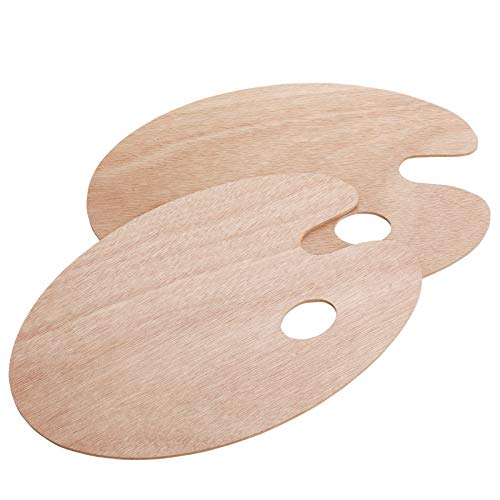
- Two 14-by-10-inch wooden palettes
- Large ambidextrous thumb holes
- Oval open surfaces for mixing
Best For: Painters wanting a spare traditional palette or a two-pack
Best Ceramic Palette – MEEDEN Porcelain Watercolor Palette
For artists seeking artist palettes for detailed work, this 10-by-7-inch MEEDEN ceramic palette offers a stable, smooth surface for controlled watercolor, gouache, and tempera mixing. Its weight-based porcelain design helps keep it from sliding while you work.
Best For: Watercolorists and gouache painters who prefer a durable, reusable ceramic mixing tray.
Pros:
- White glazed porcelain is sturdy, reusable, and easy to wash.
- Smooth edges and surface support comfortable, precise color mixing.
- Includes a palette cup and wash bowl.
- Can also organize beads, jewelry, and small art tools.
Cons:
- At 880 g, it is heavier than plastic or acrylic alternatives.
- Hand washing is recommended.
This palette is a strong studio choice when stability and easy cleanup matter more than portability. The ceramic construction makes it especially suitable for detailed work at a dedicated workspace.
Best Transparent Set – Tamaki Acrylic Paint Palettes
This two-pack of clear acrylic palettes is a flexible option for artists comparing artist palettes for detailed work. The set includes rectangular and oval shapes, while the smooth transparent surfaces provide portable mixing areas for acrylic, gouache, and other pigments.
Best For: Artists, students, and teachers who want lightweight, portable palettes in two shapes.
Pros:
- Includes one rectangular and one oval palette.
- Clear acrylic construction makes the palettes highly transparent.
- Smooth, non-toxic surfaces are reusable and easy to clean.
- Portable size fits in a backpack, purse, or tote.
Cons:
- Protective film must be removed from both sides before use.
- Hand washing is required, and high heat or harsh chemicals should be avoided.
The two shapes make this set convenient for switching between projects or sharing in a class. Its lightweight acrylic construction favors portability, though it may feel less substantial than ceramic.
Best Airtight Palette – Falling in Art 18-Well Palette
For detailed work that involves several colors, this Falling in Art palette keeps paints organized across 18 compartments. Its rubber-ring lid and locking design help seal paint between sessions, while the removable tray and mixing areas support watercolor, acrylic, gouache, and tempera work.
Best For: Painters who need organized color storage and a sealed palette for travel or studio use.
Pros:
- 18 wells provide multiple paint-storage compartments.
- Airtight lid helps prevent paint from drying out.
- Includes three mixing areas and a washable, reusable sponge.
- Compact rectangular design is suitable for travel.
Cons:
- Hand washing is required, especially after paint dries.
- Its plastic construction may be less durable-feeling than porcelain.
This is a practical pick for artists who value paint organization and freshness. The sealed lid and sponge add useful functionality for portable, multi-color projects.
Best Wooden Palette – MEEDEN Basswood Thumb-Hole Palette
This large MEEDEN basswood palette gives artists plenty of room for mixing while holding it comfortably through an ergonomic thumb hole. For artist palettes for detailed work, its smooth oil-finished surface and generous 15.7-by-11.8-inch shape suit oil and acrylic painting sessions.
Best For: Oil and acrylic painters who want a traditional handheld palette with ample mixing space.
Pros:
- Large oval surface accommodates multiple color mixtures.
- Ergonomic thumb hole supports comfortable hand holding.
- Oil-finished basswood is described as waterproof, leak proof, and durable.
- Lightweight at about 0.59 pound for carrying and storage.
Cons:
- Its large 15.7-by-11.8-inch size may be less convenient for small workspaces.
- Cleaning requires a brush or cloth rather than simple rinsing.
This palette is well suited to artists who like the feel and control of a traditional wooden palette. Its large surface favors broad color organization, while the thumb hole helps reduce fatigue during longer sessions.
Flexible Watercolor Organizer – Transon 18-Well Folding Palette
For artists seeking artist palettes for detailed work, the Transon folding palette offers 18 wells plus multiple mixing surfaces in a portable format. Its slanted wells and rounded edges support controlled paint placement, while the folding lid helps protect and preserve paints between sessions.
Best For: Watercolor, gouache, or acrylic painters who want organized wells and generous mixing space for travel or studio use.
Pros:
- Includes 18 wells, two large mixing areas, and a removable mixing tray.
- Silicone-seal cover helps keep paints fresh when stored or transported.
- Compact 10.6-by-5.2-inch folding design with sturdy upgraded materials.
- Portable layout works with several paint types.
Cons:
- The hinge is not completely watertight.
- It should not be carried with water inside.
This is a practical choice when paint separation and mixing capacity matter more than carrying liquid in the closed palette. The removable tray also adds flexibility for artists who need extra working room.
Miniature Detail Station – Nicpro Wet Palette Painting Kit
For miniature painters comparing artist palettes for detailed work, the Nicpro kit combines a stay-wet palette with brushes and painting accessories. The covered palette is designed to slow acrylic drying, while the included detail brushes and drybrushes support fine work on models, figurines, and other small projects.
Best For: Miniature and model painters who want a complete detail-painting setup with wet-palette supplies and brushes.
Pros:
- Includes a wet palette, dry palette, 12 detail brushes, and four drybrushes.
- Covered design helps keep paint wet and can save leftover acrylic paint.
- Thick gray sponges help absorb water while showing paint color clearly.
- Comes with 100 palette sheets, a brush rest, elastic band, and nylon storage bag.
Cons:
- The elastic bands need to be tied for a complete seal.
- The palette is compact, with a listed size of 9.6 by 6.2 inches.
This kit is more than a palette: it is a focused miniature-painting workstation. Its combination of paint-moisture control, brushes, and storage makes it convenient for detail work, especially when working with acrylics.
Travel Mixing Compact – Ceramic 18-Well Metal Palette
Artists looking for artist palettes for detailed work may appreciate this compact metal palette with a ceramic mixing surface. Its 18 wells, brush slot, blending spaces, protective lid, and foldable mixing zone provide a tidy setup for small-scale painting, while the smooth ceramic surface is designed for easy cleaning.
Best For: Travel artists, illustrators, and plein-air painters who prefer a lightweight palette with a wipe-clean ceramic mixing area.
Pros:
- Combines a ceramic mixing panel with a lightweight metal body.
- Provides 18 pigment wells, two blending spaces, and a brush-storage slot.
- Compact 4.7-by-2.6-by-0.5-inch format fits pockets or backpacks.
- Compatible with watercolor, gouache, acrylic, and oil paints.
Cons:
- Hand washing is recommended; it should not go in a dishwasher.
- The small format is better suited to compact projects than large-scale mixing.
This palette emphasizes portability without giving up a ceramic mixing surface. It is a sensible option for artists who want organized color wells and quick cleanup during travel, outdoor sketching, or small studio sessions.
Classic Wooden Workhorse – Traditional Wooden Paint Palette
For artists comparing artist palettes for detailed work, this traditional wooden palette offers a broad 13.7-by-9.3-inch surface and a comfortable thumb-holder design. Its smooth, polished surface is reusable and suitable for acrylics and other creative projects.
Best For: Acrylic painters, students, teachers, and artists who want a portable traditional palette.
Pros:
- Large surface provides room for mixing colors.
- Designed for comfortable right- or left-hand use.
- Wooden, smooth, polished, and reusable.
- Portable enough for a backpack, purse, or tote.
Cons:
- Only one palette is included.
- Care instructions specify wiping with a dry cloth rather than washing.
This is a practical choice when you prefer a classic handheld palette with a generous mixing area. Its wooden construction and portable shape suit general painting, though artists seeking separate wells may prefer a compartmented design.
Organized Mixing Pick – 20-Well Porcelain Palette
For artist palettes for detailed work, this compact porcelain palette emphasizes organized color separation. It has 20 pigment wells, a cover that doubles as a temporary mixing surface, and a 5-inch round format that is easy to carry.
Best For: Watercolor, gouache, acrylic, oil, and tempera painters who need multiple organized wells.
Pros:
- Twenty wells help keep pigments separated and organized.
- The cover can serve as an additional mixing palette.
- Durable, stain-resistant ceramic is designed for reuse.
- Compact 5-inch size is convenient for travel.
Cons:
- At 0.53 kg, it is heavier than many similarly sized palettes.
- The round 5-inch format offers less open mixing space than a large flat palette.
This palette is a strong fit for detailed color organization and controlled mixing. Its wells and cover add versatility, while the ceramic construction makes cleanup straightforward with water or a paper towel.
Two-Palette Value – Mr. Pen Wooden Artist Palettes
Mr. Pen- Wooden Paint Palette, 2 Pack, Artist Palette, Painting Palette | Oil Paint Palette
Check Price On AmazonArtists looking for artist palettes for detailed work may appreciate this two-pack of large wooden palettes. Each 14-by-10-inch oval palette has a large thumb hole and an ambidextrous design for comfortable left- or right-handed use.
Best For: Painters who want a spare palette or need two traditional palettes for classes, projects, or separate colors.
Pros:
- Two palettes provide useful backup or project flexibility.
- Large 14-by-10-inch surface supports broad color mixing.
- Oval shape and large thumb hole suit either hand.
- Simple to use and clean with a damp cloth.
Cons:
- The unfinished wood requires wiping and should not be soaked or machine washed.
- There are no built-in wells for separating colors.
This two-pack offers straightforward value for artists who prefer open wooden palettes and want an extra on hand. It is especially useful for traditional painting setups, but less suited to painters who need compartmentalized pigment storage.
How We Picked These Artist Palettes for Detailed Work
We focused on features that matter when painting small, precise areas: useful well sizes, smooth mixing surfaces, paint separation, portability, cleanup, and control during extended sessions. The selection includes compact travel palettes, traditional wooden trays, porcelain palettes, folding designs, and a miniature-painting kit with a wet palette.
Because no single palette suits every medium, we considered how each format handles watercolor, gouache, acrylic, and detail-oriented hobby paints. Covered and airtight options received particular attention for artists who want to preserve mixed colors between sessions.
Quick Comparison
| Palette type | Best for | Main advantage |
|---|---|---|
| Ceramic or porcelain | Watercolor, gouache, fine mixing | Nonporous surface and easy color reading |
| Wooden | Acrylic and traditional painting | Lightweight, familiar hand-held design |
| Folding or lidded | Travel and organized color storage | Separate wells with added protection |
| Wet palette | Miniature and acrylic detail work | Helps keep paint workable longer |
| Metal travel palette | Portable watercolor painting | Compact storage for field work |
Key Buying Factors for Artist Palettes for Detailed Work
Surface and Cleanup
Porcelain and ceramic are smooth, nonporous, and generally easy to wipe clean. They are especially useful when accurate color mixing matters. Wood has a warmer, traditional feel but may require more careful cleaning and maintenance, particularly with staining paints.
Well Layout and Mixing Space
Look for enough wells to keep colors separated and at least one broad area for gradients, washes, or custom blends. More wells are useful for multi-color projects, but a crowded layout can be less comfortable if you work with larger brushes.
Moisture Control and Covers
A lid can protect unused paint from dust and make transport easier. Airtight or wet-palette designs are better suited to artists who need acrylics to remain workable, while standard watercolor palettes are often designed for rewetting dried paint.
Size, Grip, and Portability
Measure your desk, storage area, or travel bag before buying. Thumb holes and hand-held trays can improve control, but a flat palette may be more stable for highly precise mixing. Compact options are convenient, although they may limit the size of your mixing area.
Who Should Buy Which Artist Palettes for Detailed Work?
Choose ceramic or porcelain if easy cleanup, dependable color mixing, and watercolor or gouache work are your priorities. These are strong all-purpose choices for illustration and detailed brushwork.
Choose a wooden palette if you prefer a classic hand-held format for acrylic or general painting. It is a straightforward option for artists who do not need covered wells.
Choose a folding, lidded, or metal palette if you paint away from your main workspace or want colors organized during transport. These designs are practical for travel and compact storage.
Choose a wet palette or miniature kit if you paint miniatures, models, or small acrylic details and want to slow paint drying. For the best fit, match the palette’s capacity and working surface to the number of colors you typically use at once.