Small studios need painting palettes that maximize usable mixing space without taking over the work surface. The right design can also keep colors organized, reduce cleanup, and make it easier to move between watercolor, gouache, acrylic, and oil projects.
This roundup compares 10 compact and versatile palettes, from lidded airtight models to durable ceramic trays and traditional wooden palettes, so you can match capacity, portability, and maintenance to your workflow.
Best 10 Artist Palettes for Small Studios Picks for 2026
Best Portable Pick

- Protective folding lid
- Lightweight 200 x 155 mm format
- Suitable for gouache, acrylic, and watercolor
Best For: Small studios and portable painting
Best Airtight Capacity
Martin Mijello Fusian 24-Well Palette
- 24 slanted paint wells
- Two generous mixing areas
- Airtight and leakproof construction
Best For: Organized watercolor storage and studio use
Best Ceramic Work Surface

- White-glazed porcelain surface
- Large central mixing area
- Multiple pigment storage sections
Best For: Spacious small-studio mixing
Best Sealed Travel Palette
Mr. Pen Airtight Watercolor Palette

- 18 wells and two mixing areas
- Airtight sealing lid helps retain moisture
- Lightweight folding plastic design
Best For: Portable water-based painting and small studios
Best Value Wooden Palette
Traditional Handheld Paint Tray

- Comfortable for right- or left-handed use
- Lightweight, portable wooden design
- Reusable surface for acrylics and crafts
Best For: Students, hobbyists, and portable painting
Best Studio Capacity
Extra-Large 32-Well Ceramic Palette

- 32 deep wells for organized colors
- Large central mixing area
- Stable, smooth porcelain surface
Best For: Multi-medium artists with dedicated studio space
Best Travel Option

- 19 porcelain wells in a compact format
- Airtight metal tin for transport
- Suitable for several paint types
Best For: Traveling artists and compact workspaces
Studio Workhorse
Large Ceramic Palette with Lid

- 31 wells with two large mixing areas
- Protective lid helps shield stored paint
- Durable, washable porcelain construction
Best For: Small studios needing high-capacity mixing and storage
Organized Everyday Pick
14-Well Ceramic Artist Palette

- 14 wells for separated color storage
- Works with several painting media
- Smooth ceramic surface is easy to clean
Best For: Compact studio and craft setups needing organized wells
Compact Mixing Choice

- Compact 7-by-7-inch footprint
- Eight wells for basic color separation
- Smooth ceramic surface cleans easily
Best For: Space-conscious artists, students, and hobbyists
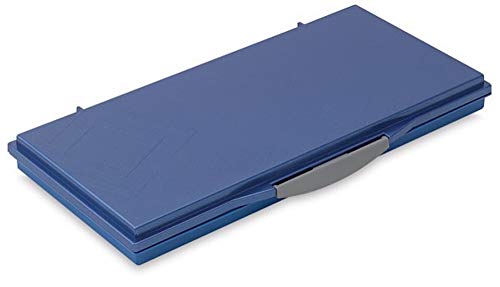
Best Portable Pick – HIMI Folding Paint Palette
For artists comparing artist palettes for small studios, the HIMI Folding Paint Palette offers a compact setup that transitions easily from a worktable to travel. Its protective lid, smooth mixing surface, and compatibility with several water-based mediums make it a practical all-purpose option.
Best For: Small studios, travel, plein air painting, classrooms, and artists using gouache, acrylic, or watercolor.
Pros:
- Foldable design with a lid helps protect paints from spills, dust, and drying.
- Lightweight 0.15 kg construction fits easily in an art bag or backpack.
- Smooth plastic surface supports even color mixing and is designed for repeated cleaning.
- Works with gouache, acrylic, watercolor, and other water-based paints.
Cons:
- Its 200 x 155 mm format offers less working space than a large ceramic palette.
- The plastic material may not provide the same permanence or weight as porcelain.
This is a strong choice when portability and paint protection matter more than maximum mixing room. The folding format makes it especially useful for compact studios that also support travel or outdoor work.
Best Airtight Capacity – Martin Mijello Fusian 24-Well Palette
Martin 92-WP3024B Mijello Airtight Leak Proof Fusian Watercolor 24-Well Palette
Check Price On AmazonThe Martin Mijello Fusian is a useful option for artist palettes for small studios when organized color storage and paint preservation are priorities. It combines 24 slanted wells with two generous mixing areas and a removable tray for easier cleanup.
Best For: Watercolor artists, classroom setups, travel, plein air painting, and users who want to keep colors fresh between sessions.
Pros:
- Twenty-four ergonomically slanted wells provide substantial color organization.
- Two generous mixing areas support larger or multiple color mixtures.
- Airtight, leakproof design helps keep watercolor or oil paint fresh for weeks.
- Removable mixing tray makes cleaning more convenient.
Cons:
- At 14 x 11 x 2 inches, it is larger than more compact travel palettes.
- Hand washing is required; it should not be placed in a dishwasher.
With its high well count and airtight construction, this palette suits studios that prepare many colors at once. The removable tray adds flexibility, while the larger footprint may be less convenient for very tight workspaces.
Best Ceramic Work Surface – MEEDEN Ceramic Paint Palette
For small studios that favor a spacious, durable work surface, the MEEDEN Ceramic Paint Palette is a compelling choice among artist palettes for small studios. Its white-glazed porcelain makes colors easy to see, while the central mixing area and pigment sections accommodate several paints.
Best For: Artists mixing acrylic, watercolor, gouache, or other water-based mediums on a stable studio palette.
Pros:
- White-glazed porcelain helps show the actual color of mixed paint.
- Substantial central mixing area supports larger artwork and broader color blends.
- Multiple pigment storage areas help keep several paints organized.
- Polished porcelain is designed to clean easily without retaining pigment waste.
Cons:
- At 0.65 kg, it is considerably heavier than the plastic travel palettes listed here.
- Hand washing and air drying are recommended, and dishwasher use should be avoided.
This palette is best suited to a dedicated studio station where mixing space and durability matter more than portability. Its ceramic construction provides a substantial surface, but it is less convenient for frequent travel.
Best Sealed Travel Palette – Mr. Pen Airtight Watercolor Palette
The Mr. Pen Airtight Watercolor Palette balances organized storage and portability for artists choosing artist palettes for small studios. It has 18 wells, two mixing areas, and a sealing lid intended to keep paints moist between sessions.
Best For: Watercolor, acrylic, and other water-based painting in small studios, classrooms, travel settings, and plein air work.
Pros:
- Eighteen wells keep different colors separated and organized.
- Two large mixing areas provide room for blending.
- Silicone-sealed lid helps preserve paint moisture when stored.
- Lightweight 0.25 kg plastic construction supports portable use.
Cons:
- It is not completely watertight at the hinge and should not be carried with water inside.
- It has fewer wells than the 24-well Martin Mijello palette.
This palette is a practical middle ground for artists who want more organization than a simple mixing tray without committing to a heavier ceramic design. Its sealing system is useful for paint preservation, provided it is transported without loose water inside.
Best Value Wooden Palette – Traditional Handheld Paint Tray
For artists seeking artist palettes for small studios, this traditional wooden tray offers a straightforward, reusable surface for mixing and holding paint. Its comfortable thumb-holder design supports either right- or left-handed use, while the portable size suits painting at home or outdoors.
Best For: Students, hobbyists, teachers, and painters who want an affordable handheld palette for acrylics and general art projects.
Pros:
- Traditional shape with a comfortable grip for either hand
- Smooth, polished wooden surface and edges
- Lightweight and easy to carry in a bag or tote
- Reusable and suitable for classes, crafts, and home projects
Cons:
- Single-palette set rather than a multi-palette bundle
- Requires wiping clean with a dry cloth after use
- Less specialized than a palette with individual wells
This is a practical choice when portability and familiar handheld control matter more than extensive color separation. It fits compact creative setups without adding much weight.
Best Studio Capacity – Extra-Large 32-Well Ceramic Palette
For small studios that need generous mixing space, this extra-large ceramic palette provides 32 deep wells plus a broad central mixing area. Its solid porcelain construction is designed to stay in place while painting, and the smooth surface wipes clean after use.
Best For: Watercolor, gouache, acrylic, oil, casein, and tempera artists who mix many colors in a dedicated studio workspace.
Pros:
- 32 deep wells provide extensive color organization
- Large central mixing area supports broader color combinations
- Solid ceramic construction helps prevent sliding
- Smooth surface cleans easily with a tissue
Cons:
- Large 12.6-inch square footprint may be less portable
- Hand-wash only, with care needed to avoid sudden temperature changes
- Heavier than a lightweight travel palette
This palette is the strongest fit for artists who prioritize capacity and stability over compact storage. Its large format may take more workspace, but it gives a small studio substantial room for organized mixing.
Best Travel Option – Mini 19-Well Airtight Palette
When artist palettes for small studios also need to travel, this mini porcelain palette offers a compact solution. Its 19 wells and mixing dish fit inside an airtight metal tin, making it light enough for a small bag or purse while supporting watercolor, acrylic, oil, and gouache work.
Best For: Traveling artists, urban sketchers, and compact studio users who need organized paint wells in a portable format.
Pros:
- Small and lightweight at 7.04 ounces
- 19 porcelain wells provide organized paint storage
- Airtight metal tin protects the palette during transport
- Works with watercolor, acrylic, oil, and gouache
Cons:
- Mini format offers less mixing room than a full-size studio palette
- Supplied notes do not specify the exact dimensions of the tin
- Single palette rather than a larger workspace setup
This is a smart pick for artists who value portability and paint organization in equal measure. The compact tin makes it particularly useful when a full-size palette is impractical.
Studio Workhorse – Large Ceramic Palette with Lid
For artists comparing artist palettes for small studios, this MEEDEN ceramic palette prioritizes generous mixing space and organized color storage. Its 33-well layout, two large central mixing areas, and protective lid make it suited to artists who want one substantial workstation for water-based media.
Best For: Small studios that need extensive mixing space for watercolor, gouache, acrylic, or other water-based colors.
Pros:
- Offers 31 wells plus two large central mixing areas.
- Porcelain is durable, washable, and smooth for mixing.
- Includes a lid to shield stored paint from household dust and provide short-term moisture protection.
- Works with watercolor, gouache, acrylic, and other water-based colors.
Cons:
- At 13.5 by 10.8 inches and 3.5 pounds, it takes up substantial workspace.
- The palette is supplied empty, so paint must be added separately.
This is the most capable option here for a compact studio that values capacity over portability. Its larger footprint and weight are trade-offs, but the lid and extensive well arrangement can help keep a shared workspace organized.
Organized Everyday Pick – 14-Well Ceramic Artist Palette
Among artist palettes for small studios, this 14-well ceramic tray offers a practical middle ground for organizing multiple colors without the scale of a large studio palette. The smooth white porcelain surface is designed for mixing and straightforward cleanup.
Best For: Craft projects, art studios, gouache painting, and artists who want several separated wells in a compact ceramic tray.
Pros:
- Provides 14 wells for separating different colors or materials.
- Suitable for watercolor, gouache, acrylic, oil, and tempera painting.
- Durable, eco-friendly ceramic construction with a smooth white surface.
- Compact form is convenient to use and easy to clean with mild soap and water.
Cons:
- Offers less overall mixing space than the larger MEEDEN palette.
- Requires hand washing and should be kept away from extreme temperatures and harsh chemicals.
This palette is a sensible choice when color organization matters more than expansive mixing areas. Its 14 wells support varied projects, while the ceramic surface gives a studio setup a durable, easy-care work surface.
Compact Mixing Choice – 8-Well Ceramic Paint Palette
For small studios where counter space and easy handling matter, this 7-by-7-inch MEEDEN palette is a compact option among artist palettes for small studios. Its eight wells provide basic color separation while the smooth ceramic surface supports clean, even mixing.
Best For: Artists, students, teachers, and hobbyists who need a lightweight palette for watercolor, gouache, acrylic, oil, or tempera.
Pros:
- Compact 7-by-7-inch size fits smaller work areas.
- Eight wells provide dedicated spaces for paints and color organization.
- Smooth white ceramic surface helps paint spread evenly and cleans with water and tissue.
- Supports watercolor, gouache, acrylic, oil, and tempera painting.
Cons:
- Eight wells provide less color capacity than the 14- and 33-well options.
- Its compact design offers more limited mixing space for larger projects.
This is the most space-conscious pick in the group. It suits a small studio or teaching setup that needs a straightforward, hand-sized palette without sacrificing compatibility across common painting media.
How We Picked the Best Artist Palettes for Small Studios
We focused on palettes that make efficient use of limited workspace while supporting practical studio routines. Selection criteria included footprint, well and mixing-area layout, lid or seal design, material durability, portability, cleaning requirements, and compatibility with common painting media. We also considered whether each palette suits wet paint storage, quick color mixing, travel between work areas, or larger batch projects.
Because no single palette works equally well for every painter, the list includes ceramic trays, airtight watercolor palettes, portable folding designs, wooden palettes, and multi-well models. Check the product specifications for exact dimensions and material details before buying.
Quick Comparison
| Palette Type | Best For | Main Advantage | Potential Trade-Off |
|---|---|---|---|
| Folding palette with lid | Flexible mixed-media setups | Portable and space-conscious | May offer less open mixing room |
| Airtight multi-well palette | Watercolor and gouache storage | Organizes colors and helps prevent drying | More wells can mean a larger footprint |
| Ceramic palette | Studio mixing and easy cleanup | Nonporous surface resists staining | Heavier and more breakable |
| Wooden palette | Acrylic or oil painting | Traditional hand-held format | Requires more careful cleaning and upkeep |
Key Buying Factors for Artist Palettes for Small Studios
Size and Workspace Efficiency
Measure the area beside your easel or drying rack, not just the storage shelf. A compact palette with a well-planned layout can be more useful than a larger model with inaccessible corners. Consider whether you need a flat mixing surface, individual wells, or both.
Material and Cleanup
Ceramic and porcelain are smooth, nonporous choices that generally clean easily and resist lingering pigment. Plastic palettes are lighter and often more portable, while wood provides a familiar feel but may absorb paint if not sealed or maintained properly.
Capacity and Paint Storage
Choose the number of wells based on how many colors you regularly use. Airtight lids are valuable for watercolor and gouache painters who want to preserve paint between sessions, but a sealed palette does not eliminate the need to follow each paint manufacturer’s storage guidance.
Medium Compatibility
Watercolor favors wells and smooth mixing areas, while acrylic often benefits from a broad surface and manageable cleanup. Oil painters should verify that the palette material and cleaning method suit solvents or other products used in their process.
Who Should Buy Which Artist Palettes for Small Studios?
Choose a folding or compact plastic palette if you frequently rearrange a small studio, paint in multiple locations, or need a lightweight option. Choose an airtight multi-well palette if you primarily use watercolor or gouache and want colors separated between sessions.
Choose ceramic or porcelain if easy cleanup, a stable mixing surface, and long-term studio use matter most. Larger ceramic models suit painters who mix many colors at once, while smaller trays work better on crowded desks. Choose a wooden palette if you prefer a traditional hand-held surface and mainly work with media suited to that format.
For most small studios, the best balance comes from matching palette shape and storage features to your dominant medium rather than simply choosing the highest well count. Prioritize a comfortable footprint, accessible mixing space, and cleaning routine you will actually maintain.