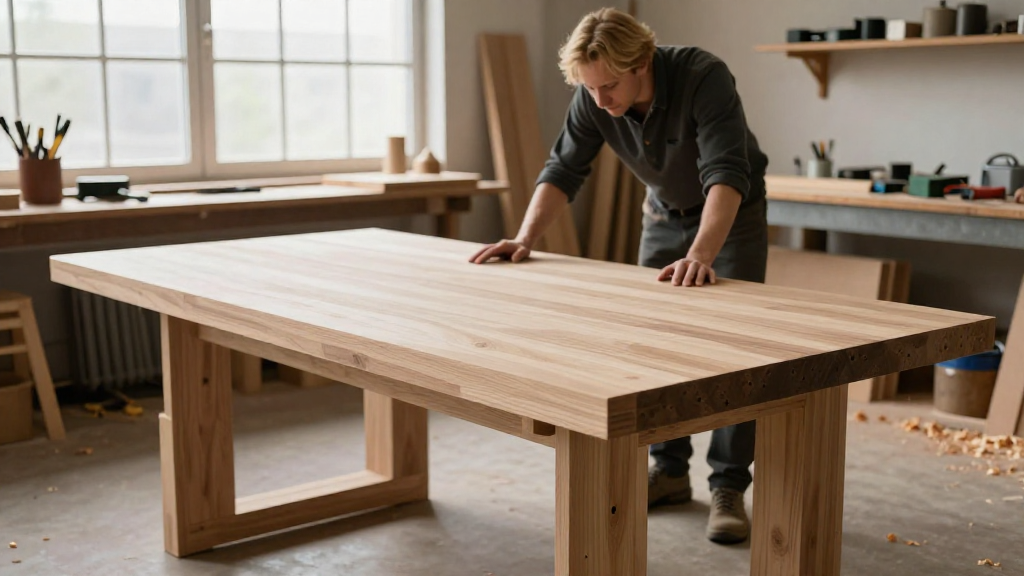
When designing or building furniture and structures, knowing how to make hidden joints can significantly enhance the visual appeal by providing a sleek and polished finish.
What are Hidden Joints?
Hidden joints, often referred to as invisible joints, are connections between two materials or surfaces that are not visible from the outside.
This technique is especially useful in woodworking, cabinetry, and various construction projects.
Key benefits of using hidden joints include:
-
Aesthetic Appeal: Creates a clean, uninterrupted surface.
-
Structural Integrity: When done right, hidden joints can be as strong, if not stronger, than visible joints.
-
Reduced Clutter: Eliminates the need for unsightly fasteners that can detract from the overall design.
Why Should You Learn How to Make Hidden Joints?
Understanding how to make hidden joints is essential for anyone pursuing quality craftsmanship.
These joints not only improve the look of your project but can also:
-
Enhance the Durability: Well-made joints can withstand more strain and support more weight.
-
Allow for More Creativity: With a clean look, designers can implement a wider variety of materials and shapes.
-
Impress Clients or Friends: Professional-looking joints enhance the perception of quality and attention to detail.
What Materials Are Best for Hidden Joints?
When considering how to make hidden joints, your choice of materials plays a crucial role.
Here are some common materials used:
-
Wood: Suitable for traditional cabinetry and furniture; offers warmth and grain variation.
-
Metal: Ideal for industrial or modern pieces; provides a sleek look and superior strength.
-
Plastic or Composite Materials: Great for certain designs due to ease of manipulation and flexibility.
What Techniques Can You Use to Make Hidden Joints?
There are several methods to achieve hidden joints in your projects.
Here are some popular techniques:
1. Mortise and Tenon Joints
This ancient woodworking joint involves creating a cavity (mortise) and a corresponding peg (tenon) that fits snugly into it.
Steps:
– Cut a rectangular hole in one piece of wood for the mortise.
– Shape another piece’s end into a tenon.
– Fit the two pieces together, securing with glue.
2. Dovetail Joints
Dovetail joints are known for their resistance to being pulled apart and are often used in drawer construction.
Steps:
– Create interlocking, wedge-shaped cuts in both pieces.
– Assemble and glue, allowing for a robust connection without visible fasteners.
3. Biscuit Joints
Biscuit joints use small, oval-shaped pieces of wood (biscuits) to align and secure two boards together.
Steps:
– Cut matching slots into both pieces of wood.
– Insert a biscuit, apply glue, and clamp until dry.
4. Pocket Hole Joints
This technique uses a special drill bit to create angled holes in one piece that allow screws to be driven at an angle to secure another piece.
Steps:
– Use a pocket hole jig to guide the drill bit.
– Join the two pieces by driving screws into the pocket holes, rendering them nearly invisible.
5. Hidden Dowels
Dowel joints provide a simple and effective way to join pieces without being visible.
Steps:
– Drill holes into both pieces of wood.
– Fit dowels into one piece, then align with the other piece and tap them in.
How Do You Finish Hidden Joints?
The finishing process is just as crucial as making hidden joints.
Here are some steps to effectively finish your projects:
-
Sanding: Smooth the surface to ensure an even finish. Start with coarse sandpaper and progress to finer grits.
-
Cleaning: Remove any dust and debris to prevent imperfections in the finish.
-
Applying Finish:
– Stain: Enhances the color and grain of the wood.
– Sealer: Protects the surface and provides a barrier.
– Topcoat: Adds longevity and shine; choose from matte, satin, or glossy finishes. -
Inspecting: Check for any imperfections and sand again if necessary.
What Are Some Common Mistakes to Avoid?
When learning how to make hidden joints, beginners often make hindsight errors.
Here are some common pitfalls and tips to avoid them:
-
Poor Measurements: Always double-check your measurements before cutting.
-
Inaccurate Cuts: Invest in high-quality tools and take your time.
-
Neglecting Glue: Ensure you apply the right amount of high-quality wood glue for a solid bond.
-
Forgetting to Clamp: Use clamps to hold pieces tightly in place while the glue sets.
Conclusion: Mastering Hidden Joints for a Professional Finish
By understanding how to make hidden joints, you take a significant step towards achieving high-quality craftsmanship in your projects.
Whether you choose a classic method like mortise and tenon or a modern approach like pocket hole joints, the key to success lies in precision and patience.
-
Always select appropriate materials that align with your project goals.
-
Utilize the right techniques and avoid common mistakes to elevate your craftsmanship.
With a bit of practice, you will be able to create stunning, professional-looking joints that enhance the beauty and durability of your furniture and structures.
So gather your tools, choose your materials, and start experimenting with hidden joints to achieve that clean, sleek look that speaks to quality and design!