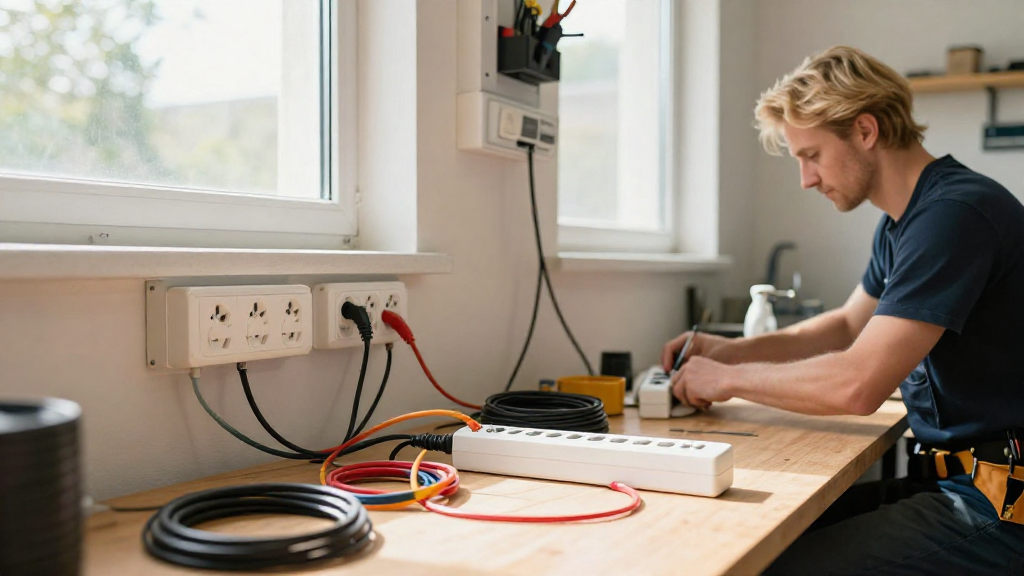
When it comes to organizing your workshop, knowing how to mount power strips safely is essential for both safety and efficiency.
Why is Safe Mounting Important?
Mounting your power strips correctly can prevent accidents, reduce clutter, and ensure that your tools and equipment run efficiently.
Improperly placed power strips may lead to:
- Electrical hazards: Risk of fire if overloaded or damaged.
- Tripping hazards: Cords and strips sprawled across the floor.
- Inconvenience: Inability to access outlets easily.
Knowing how to mount power strips safely helps mitigate these issues.
What Are the Types of Power Strips?
Before you learn how to mount power strips safely, it’s essential to understand the types of power strips available. Here are some common types:
- Standard Power Strips: Basic units with multiple outlets, often without any surge protection.
- Surge Protector Power Strips: Designed to protect your electronics from voltage spikes.
- Smart Power Strips: Feature built-in energy-saving capabilities and Wi-Fi connectivity.
- Heavy-Duty Power Strips: Suitable for high-wattage tools and outdoor use.
Selecting the right type will ensure you’re prepared for any application in your workshop.
How Do I Choose the Best Location for Mounting?
The first step in learning how to mount power strips safely is choosing the right location. Here are some tips to consider:
- Height: Keep power strips elevated to prevent tripping hazards and water exposure.
- Accessibility: Ensure that the power strip is easily reachable for plugging and unplugging tools.
- Avoiding Obstacles: Mount in a spot free of clutter to allow for air circulation and easy access.
What Materials Do I Need for Mounting?
Gathering the right materials is essential for safe installation. Here’s a basic list for mounting your power strip:
- Power strip: Make sure it meets your power needs and safety standards.
- Screws or mounting tape: Depending on whether you prefer a more permanent or removable option.
- Stud finder: To locate wall studs for secure mounting.
- Level: Ensures your power strip is straight and even.
- Drill or a screwdriver: For installing screws or anchors.
- Cable ties or clips: To organize cords and prevent tangles.
What is the Best Method for Mounting?
Once you have your materials ready, you can begin mounting your power strip. Here’s how to do it step-by-step:
-
Choose the Location: Identify the best spot according to the tips mentioned earlier.
-
Mark the Holes: Hold the power strip in place and use your pencil to mark where the screws will go.
-
Drill Holes: If you are mounting it to drywall or using anchors, drill holes where you made your marks. If mounting directly to a stud, you may skip using anchors.
-
Secure the Power Strip: Using your screws or mounting tape, attach the power strip to the wall.
-
Use Cable Management: Organize your cords with cable ties or clips to keep the area tidy and safe.
How Can I Ensure Safety Post-Mounting?
After learning how to mount power strips safely, it’s important to put safety measures in place:
- Avoid Overloading: Check the amperage rating of the power strip and ensure you’re not exceeding it with your tools.
- Use Surge Protectors: Protect your equipment by using power strips with built-in surge protection.
- Inspect Regularly: Periodically check the integrity of the power strip and cords for signs of wear, such as fraying or cracking.
- Keep Away from Water: Avoid placing power strips in damp areas and keep them away from sinks or wet tools.
- Proper Ventilation: Ensure your power strip is mounted in a way that allows for heat dissipation.
What to Do in Case of an Electrical Incident?
Even with safe mounting, it is crucial to know what to do in case of an emergency:
- Unplug Immediately: If smoke or sparks are visible, unplug it from the wall socket immediately if safe to do so.
- Use a Fire Extinguisher: Have a fire extinguisher (rated for electrical fires) readily available in your workshop.
- Call for Help: If there’s a significant risk, don’t hesitate to call emergency services.
How Can I Customize My Power Strip Setup?
Once you’ve learned how to mount power strips safely, you might want to consider customizing your setup for maximum efficiency:
- Color-Coded Cords: Use different colored cords for different tools to easily identify what is plugged in.
- Smart Power Management: Consider connecting smart power strips that you can control via an app, enhancing convenience and energy savings.
- Dedicated Circuits: For heavy-duty tools, consider running dedicated circuits to prevent overload on a single power strip.
Conclusion
Learning how to mount power strips safely is a fundamental skill for any DIY enthusiast or professional in a workshop environment.
By choosing the right location, using proper materials, and following safe mounting techniques, you can create a safer, organized, and more efficient workspace.
Remember to regularly inspect your setup for potential hazards and adapt it as needed to ensure continued safety. Happy organizing!