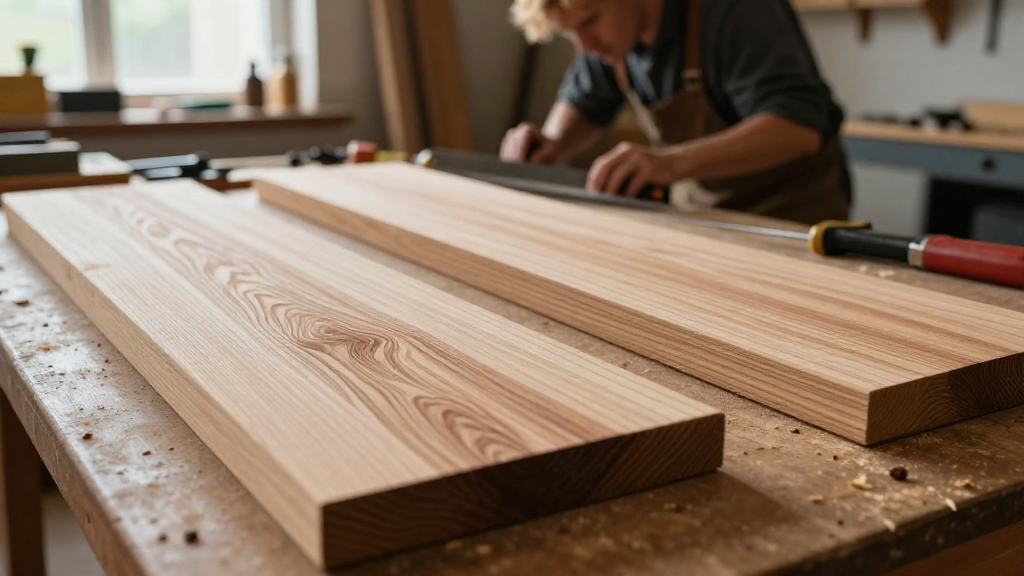
When it comes to woodworking and lumbercutting techniques, understanding the concept of crosscut vs rip cut is crucial for achieving the desired results.
In this article, we will explore the key differences between these two cutting techniques and when to use each one.
What is a Crosscut?
A crosscut is a method of cutting wood or other materials across the grain.
This technique is primarily used for shortening pieces of lumber.
When you make a crosscut, the saw blade cuts through the wood fibers, allowing for a smooth edge at the end of the cut.
Features of Crosscutting
- Direction of Cut: Cuts across the grain.
- Ideal for: Shortening lumber lengths.
- Tools Used: Crosscut saws, miter saws, and table saws with crosscut attachments.
- Result: Smooth edges suitable for finished projects.
Crosscutting is essential for tasks such as making frame components, cutting small pieces for furniture, or adjusting lengths of boards for specific designs.
What is a Rip Cut?
In contrast, a rip cut is a method of cutting along the grain of the wood.
This technique is best used for creating smaller pieces from larger boards.
When performing a rip cut, the saw blade moves parallel to the grain, which can sometimes result in a rougher edge but efficiently reduces the width of the wood.
Features of Ripping
- Direction of Cut: Cuts along the grain.
- Ideal for: Creating narrow strips or boards.
- Tools Used: Table saws, circular saws, and rip saws.
- Result: Often rough edges that may need further finishing.
Rip cutting is particularly useful for making material for framing, cabinetry, or constructing bases for tables and cabinets.
Crosscut vs Rip Cut: What’s the Key Difference?
The main difference between crosscut vs rip cut lies in the direction of the cut.
-
Crosscut:
– Cuts wood across the grain.
– Ideal for shortening pieces and creating joints. -
Rip Cut:
– Cuts wood along the grain.
– Best for reducing width or creating multiple strips from a single board.
Additional Differences in Application
The tools and techniques used for these cuts vary, influencing their application in different projects:
-
Crosscutting typically uses crosscut saws or miter saws, while rip cuts generally require more robust tools such as table saws.
-
The finish of a cut can vary as well.
- Crosscuts offer smoother edges suitable for visible surfaces.
- Rip cuts often need additional sanding to achieve a finished look.
When to Use Each Cut?
To select the correct cutting method for your project, consider the following:
Use Crosscuts When:
- You need to shorten boards for a specific project dimension.
- You’re working on furniture that requires precise length adjustments.
Use Rip Cuts When:
- You need to create strips or narrow boards from wider stock.
- You’re preparing material for framing or structures where the final width is more critical than the finish.
Tools for Crosscuts and Rip Cuts
When exploring crosscut vs rip cut, it’s essential to choose the right tools for the job.
Tools for Crosscutting:
- Miter Saw: Ideal for precise crosscuts at various angles.
- Crosscut Saw: Traditional hand saw designed for crosscutting.
- Table Saw with Crosscut Fence: Provides enhanced control and straight cuts.
Tools for Rip Cutting:
- Table Saw: Offers efficiency and speed for rip cuts with adjustable fences.
- Circular Saw: Portable and versatile for rip cutting large sheets.
- Rip Saw: A hand saw that’s designed for ripping lumber.
Tips for Efficient Cutting
To improve your woodworking skills regarding crosscut vs rip cut, consider the following tips:
-
Measure Twice, Cut Once: Always ensure accurate measurements before cutting.
-
Use Quality Blades: Invest in high-quality blades that correspond with the type of cut.
– Crosscut blades have finer teeth for smooth cuts.
– Rip blades are designed with fewer teeth for faster cutting. -
Secure Your Workpiece: Use clamps to stabilize your material and prevent movement during cutting.
-
Practice on Scrap Wood: If you’re new to woodworking, practice your cuts on scrap pieces before working on valuable materials.
Conclusion
Understanding the distinctions in crosscut vs rip cut techniques is fundamental for any woodworking project.
Choosing the right cutting method can determine the precision and quality of your final product.
Remember that:
– Crosscutting is excellent for shortening material and creating smooth edges, while
– Rip cutting is more suited for reducing board width and creating narrower strips.
By mastering these cutting techniques, you will enhance your woodworking skills and ensure successful project outcomes.
Whether you’re a beginner or an experienced carpenter, knowing when and how to use crosscuts and rip cuts will elevate your craftsmanship.