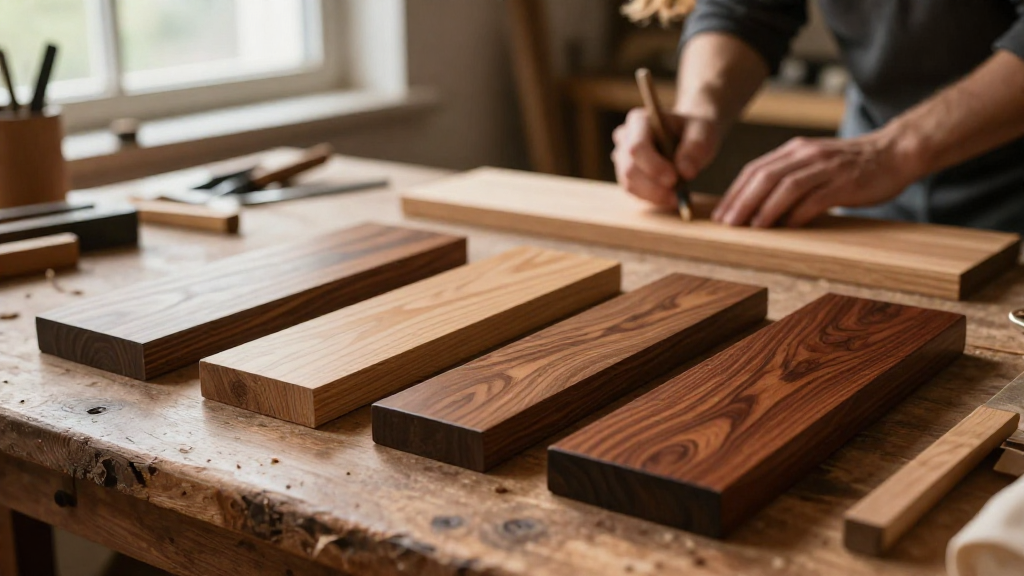
If you’re wondering how to finish different wood types, you’re in the right place.
Finishing wood correctly brings out its beauty, enhances durability, and protects against wear and tear.
With various wood species requiring unique finishing approaches, understanding the essentials can ensure that your woodworking projects stand the test of time.
Why is Finishing Important for Different Wood Types?
Finishing serves several crucial functions for all wood types:
- Protection: A good finish protects wood from moisture, UV damage, and physical wear.
- Aesthetic appeal: Finishing enhances the natural grain and color, making wood more visually appealing.
- Longevity: Properly finished wood lasts longer and retains its beauty over the years.
- Ease of cleaning: Finished surfaces are easier to clean and maintain.
Given its importance, here’s how to finish different wood types correctly.
What are the Common Wood Types and Their Characteristics?
When learning how to finish different wood types, it’s essential to know the various species and their unique characteristics. Here are some common wood types you’ll encounter:
- Hardwoods: Oak, Maple, and Cherry are dense and durable, ideal for furniture and cabinetry.
- Softwoods: Pine, Cedar, and Fir are lighter, often used in construction and outdoor projects.
- Exotic Woods: Teak, Mahogany, and Rosewood offer unique colors and grain patterns but can be expensive.
How do You Prepare Wood for Finishing?
Preparation is key when learning how to finish different wood types. Here’s a step-by-step guide to getting your wood ready:
-
Sand the Surface:
– Start with coarse sandpaper (e.g., 80-grit) to remove rough spots.
– Progress to finer grades (120- to 220-grit) for a smooth finish. -
Clean the Wood:
– Use a vacuum or cloth to remove dust and debris from sanding.
– Ensure the wood is completely dry before proceeding. -
Choose the Right Finish:
– Oil, lacquer, varnish, and shellac all serve different purposes depending on the type of wood and desired outcome.
How Can You Finish Hardwoods?
Finishing hardwoods requires a careful, methodical approach. Here’s a guide to finishing popular hardwoods:
- Oak:
- Stain: Use an oil-based stain to highlight the grain.
-
Finish: Apply a clear polyurethane finish for durability.
-
Maple:
- Stain: Choose a gel stain to prevent blotchiness.
-
Finish: Use a water-based lacquer to maintain clarity and prevent yellowing.
-
Cherry:
- Stain: A light stain enhances its natural reddish tones.
- Finish: Use a satin finish for warmth while preserving its beauty.
What is the Best Method for Finishing Softwoods?
Softwoods can often be easier to work with than hardwoods, but they still require a specific approach. Here’s how to finish specific softwoods:
- Pine:
- Stain: Use a pre-stain wood conditioner to prevent blotches.
-
Finish: Apply a penetrating oil finish for a natural look.
-
Cedar:
- Stain: Use a transparent or semi-transparent exterior stain.
-
Finish: A water-repellent preservative can protect it from the elements.
-
Fir:
- Stain: Gel stains work well on fir to enhance its grain.
- Finish: Use an exterior-grade varnish to resist moisture.
How Do You Finish Exotic Woods?
Exotic woods often have unique properties that require careful handling. In learning how to finish different wood types, here are the steps for some popular exotic options:
- Teak:
- Stain: Teak oil can enhance color without creating a film.
-
Finish: Apply a natural finish like a marine varnish for outdoor use.
-
Mahogany:
- Stain: Use an oil-based stain to accentuate its rich color.
-
Finish: A lacquer high-gloss finish provides elegance and protection.
-
Rosewood:
- Stain: Typically not needed, as many prefer its natural finish.
- Finish: An oil finish brings out the depth of color.
What Tools and Supplies are Needed for Finishing Wood?
When asking how to finish different wood types, the proper tools and supplies can make your project go smoothly. Here’s a list of essentials:
- Sanding Equipment:
- Sandpaper (various grits)
-
Electric sander (optional but helpful)
-
Cleaning Supplies:
- Vacuum or tack cloth
-
Brushes for applying finishes
-
Finishing Products:
- Stains (oil-based, water-based, gel)
-
Topcoats (polyurethane, varnish, lacquer, shellac)
-
Other Tools:
- Paint sprayer (for large projects)
- Rags for wiping excess finish
How Do You Maintain Finished Wood?
After investing time in how to finish different wood types, maintaining the finish is just as important. Here are some maintenance tips:
- Regular Cleaning:
- Use a damp cloth and mild soap to clean finished surfaces regularly.
- Avoid Harsh Chemicals:
- Steer clear of abrasive cleaners that can damage the finish.
- Reapply Finish as Needed:
- Depending on usage, you may need to recoat every few years to maintain protection.
Conclusion: Finishing Wood is Both an Art and a Science
As you now know how to finish different wood types, remember that mastering the art of wood finishing requires practice and patience.
Each wood type has its characteristics, requiring specific techniques, tools, and products.
By understanding these nuances, you can significantly enhance the appearance and lifespan of your woodworking projects.
Take your time, experiment, and enjoy mastering the process!
With the right knowledge and materials, achieving a beautiful, lasting finish on any wood type is entirely within your reach.