When it comes to choosing materials for your outdoor space, the debate of redwood vs cedar for decking is one of the hottest topics among homeowners and contractors.
Both woods have their unique qualities, but how do they compare when it comes to decking? In this article, we will explore various aspects of redwood and cedar to help you make an informed decision.
What Are the Key Differences Between Redwood and Cedar?
Understanding the differences between these two popular decking materials involves looking at their properties, appearance, durability, and maintenance needs.
1. What Are the Aesthetic Qualities?
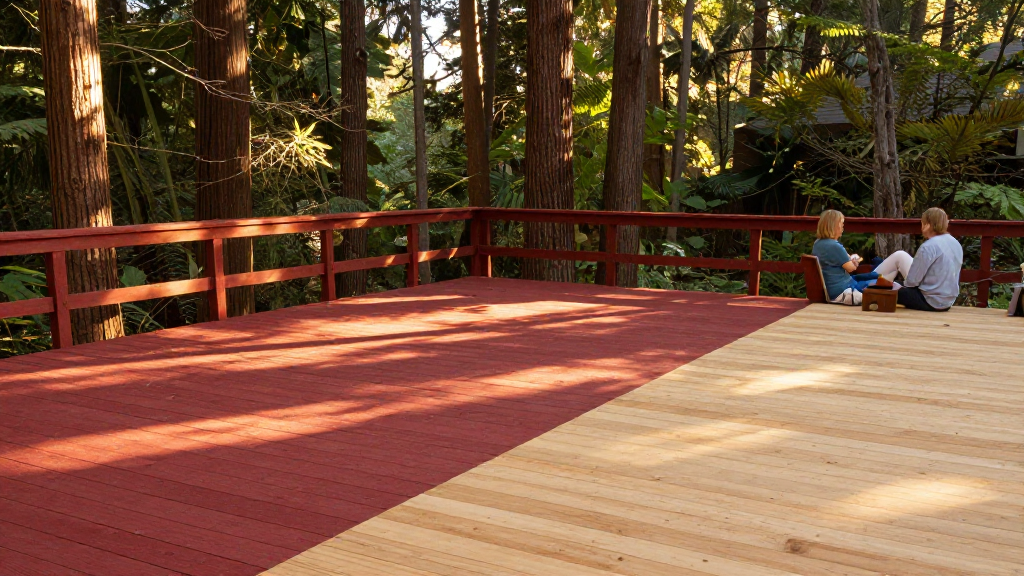
Redwood is often celebrated for its rich, deep hues and beautiful grain patterns.
Its color can range from light pink to dark reddish-brown, adding warmth and elegance to any outdoor area.
On the other hand, cedar provides a lighter palette, showcasing colors from light amber to reddish-brown.
Cedar is known for its straight grain and attractive knots, which some people find appealing.
2. How Do They Compare in Durability?
When discussing redwood vs cedar for decking, durability is an essential factor to consider.
Redwood is renowned for its natural resistance to decay and insect damage.
This quality is largely attributed to its high levels of tannin, which help protect the wood from environmental factors.
Cedar, while also being resistant to rot and insects, may not match redwood’s durability.
In fact, cedar typically has a lifespan of around 15 to 20 years, whereas redwood can last 20 to 30 years with proper care.
3. What About Maintenance?
Maintenance is another critical factor in the redwood vs cedar for decking debate.
Redwood generally requires more upkeep due to its tendency to fade and lighten over time when exposed to sunlight.
To keep it looking its best, regular staining and sealing are recommended, especially if you want to maintain its rich color.
On the other hand, cedar requires lesser maintenance.
It naturally weathers to a beautiful silver-grey over time, which many homeowners find aesthetically pleasing.
However, if you prefer to keep its original color, regular sealing or staining is also necessary.
4. Which One Is More Affordable?
Cost is often a significant consideration when choosing decking materials.
In general, cedar is more affordable than redwood.
Cedar costs approximately $3 to $5 per square foot, while redwood can range from $5 to $8 per square foot or more, depending on the grade.
This price difference can make a substantial impact if you’re planning to cover a large area.
5. What Are the Environmental Considerations?
Both redwood and cedar are considered sustainable choices for decking, but it’s essential to source them responsibly.
Look for FSC-certified products to ensure that you’re choosing wood harvested from responsibly managed forests.
Redwood trees are primarily found in California, while cedar is often sourced from the Pacific Northwest, including Washington and Oregon.
Understanding the environmental impact of the wood you choose is crucial for eco-conscious homeowners.
6. Is One More Resistant to Weather?
Weather resistance is an essential factor in the redwood vs cedar for decking comparison.
Both woods hold up well under various weather conditions, but redwood tends to perform better in extremely humid or wet environments.
Its natural oils help it resist warping, cracking, and splitting.
Cedar is also weather-resistant, but it might expand or contract more significantly when temperatures fluctuate.
7. Which Material Is More Workable?
If you plan on DIY-ing your deck project, you may want to consider how easy each wood is to work with.
Both redwood and cedar are relatively easy to cut and shape with standard woodworking tools.
However, cedar is often regarded as slightly easier to handle due to its lightweight nature.
This aspect may be beneficial for those who are not experienced in woodworking.
Conclusion: What’s the Verdict on Redwood vs Cedar for Decking?
So, where do we land in the great debate of redwood vs cedar for decking?
Each wood offers distinct advantages based on your specific needs and preferences.
Choose Redwood if:
- You prefer high durability and a longer lifespan.
- You’re willing to invest more for its rich color and beauty.
- You want superior resistance to insects and decay.
Choose Cedar if:
- You’re looking for a more budget-friendly option.
- You appreciate a lighter, natural aging process.
- Your decking will be in a less humid environment.
Ultimately, the choice between redwood and cedar will depend on your budget, aesthetic preferences, and maintenance capabilities.
By understanding the pros and cons of each type of wood, you can make an informed decision that suits your decking needs perfectly.
In the end, whether you opt for redwood vs cedar for decking, both materials can provide you with the durability and beauty needed for an outdoor space you’ll enjoy for years to come.
Make sure to weigh the options carefully to find the perfect fit for your decking project. Happy decking!